

Unicorn Biotechnologies Joins DARPA-Funded Consortium to Automate the Bioproduction of Smart Red Blood Cells
Selection for a programme worth up to $14 million endorses Unicorn’s mission to standardise and industrialise mammalian cell culture
Sheffield, United Kingdom, 02 October 2026 – Unicorn Biotechnologies Ltd (‘Unicorn’), a developer of Artificial Intelligence (AI)-enabled autonomous bioproduction systems, today announced that it has joined an international consortium to develop smart red blood cells (sRBCs). Led by Scarlet Therapeutics Ltd (“Scarlet”), the consortium is funded by the US Defense Advanced Research Projects Agency (DARPA) under a programme worth up to USD $14 million. Unicorn will supply the AI-enabled autonomous bioproduction capability underpinning the programme’s cell production.
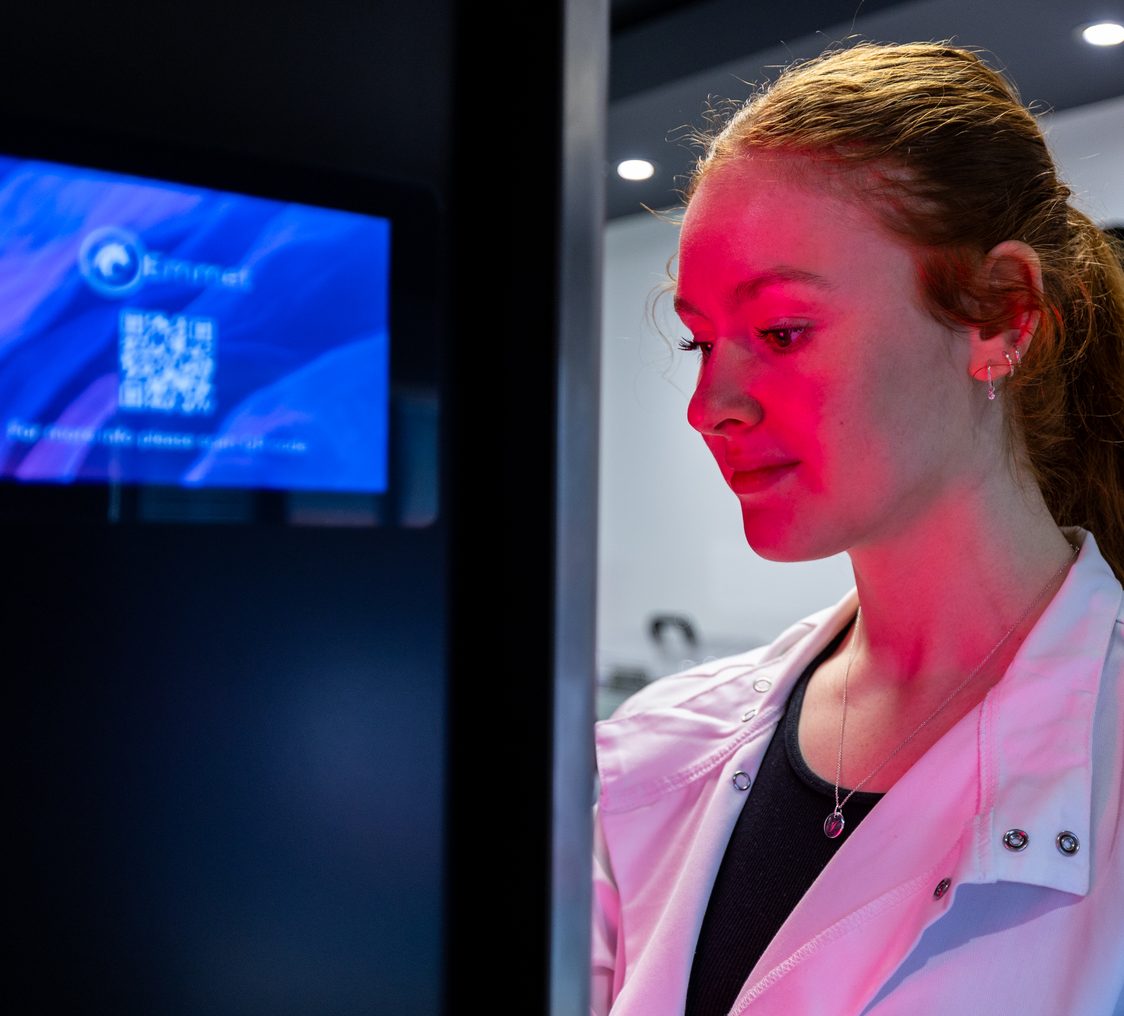
Unicorn will develop and supply a ‘self-driving’ bioproduction system tailored for Erythroid Culture and sRBC development. The system executes demanding mammalian cell culture processes without manual intervention, holds conditions consistent across parallel cultures, responds to the state of the cells as a run proceeds, and captures every parameter as structured data.
Almost all of modern biology rests on living mammalian cells. Drug discovery, disease modelling, toxicology, protein therapeutics, engineered cell, tissue and organ therapeutics, and the now the datasets being assembled to train AI models. That culture remains a manual craft. It carries the variability of the individual operator, it consumes the time of highly trained scientists, and it becomes slower and more expensive with every increase in scale. Unicorn was founded to change that, by creating the tools to standardise and industrialise cell biology.
“Every result in modern biology starts with cells in culture, and we still grow them the way we did forty years ago, by hand. The variability that introduces, and the ceiling it puts on scale, is the quiet constraint on the whole field,” said Dr Adam Glen, Founder and Chief Executive Officer. “We exist to mechanise, standardise and radically improve the well-reported reproducibility crisis endemic in scientific literature, a necessity underpinning the utilisation of artificial intelligence in scientific research. Being selected for a programme this ambitious, alongside partners of this calibre, is a powerful endorsement of that mission.”
Jack Reid, Founder and President of Unicorn Biotechnologies, added: “Erythroid culture is among the most demanding processes in mammalian cellular bioproduction, so this is a serious test of our platform and technologies. Tools like ours give scientists their time back and remove operator-to-operator variability from the result. Just as importantly, running processes this way generates the rich, structured datasets the field has never had, and those datasets are what will train the next generation of artificial intelligence models for real-time analysis and adaptive process control.”
The consortium brings together expertise in red blood cell biology, synthetic biology, computational design and autonomous bioproduction. Led by Scarlet, partners include the University of Bristol, Northwestern University and Unicorn.
Unicorn works with any organisation facing automation and data fidelity challenges in mammalian cell culture, including high-throughput screening groups, contract research and manufacturing organisations, developers of small molecule, engineered cell, tissue, protein and organ therapeutics, teams building foundational models and other AI-enabled approaches to scientific discovery. The company supplies its systems directly and also undertakes partnered development programmes of the kind described here.
This programme is funded by the Defense Advanced Research Projects Agency under Agreement HR0011‑26‑9‑E150. The work is exploratory and intended only to assess feasibility; no clinical use is implied. The views and opinions contained in this release are those of Unicorn Biotechnologies and should not be interpreted as representing the official positions of DARPA or the U.S. Government.
About Unicorn Biotechnologies
Unicorn Biotechnologies builds AI-enabled autonomous bioproduction systems, bringing physical AI to the biology laboratory and decoupling cell culture from manual labour. Its Emmet platform runs mammalian cell culture processes end to end without human intervention and captures every parameter as structured data, giving scientists reproducibility at the bench, the benchmarked data provenance needed for artificial intelligence to operate in the biology domain and also provides hardware with direct pathways to scale. Accelerating the translation of biology from lab scale into manufacturing, providing our customers with the additional benefit of a direct pathway to scale. The company’s mission is to create the tools to standardise and industrialise cell biology. Unicorn Biotechnologies is headquartered in Sheffield, United Kingdom, where it operates its own laboratory and manufacturing facility, with US operations in Newark, New Jersey.
Media Contact
Unicorn Biotechnologies
Jack Reid, Founder & President
info@unicornb.io